You have landed in Berlin or Munich, ordered a coffee, and suddenly wonder which notes and coins you should pull from your wallet. The quick answer is the euro, but there is more to know if you want a smooth trip. In this guide I walk you through everyday payments in Germany, where to get the best exchange rate, when cash still matters, and the small etiquette tips locals take for granted. By the end, you will feel confident paying for everything from a bakery breakfast to a museum ticket.
The short answer: Germany uses the euro EUR
Germany’s official currency is the euro. The symbol is € and the currency code is EUR. One euro is divided into 100 cents. In shops and on menus you will see prices shown with the € sign before or after the number.
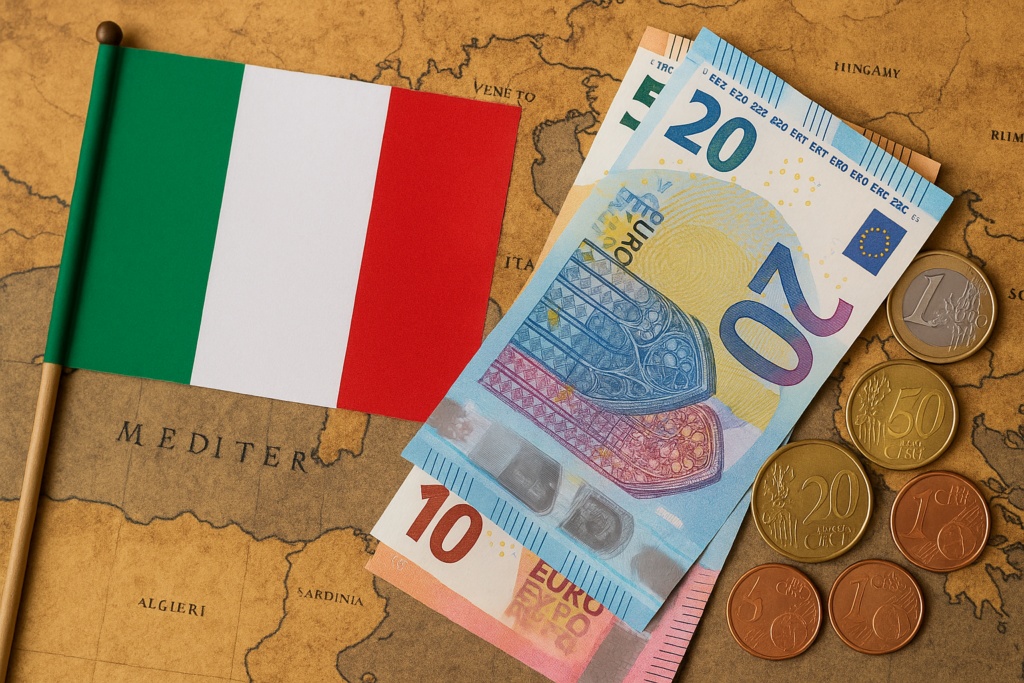
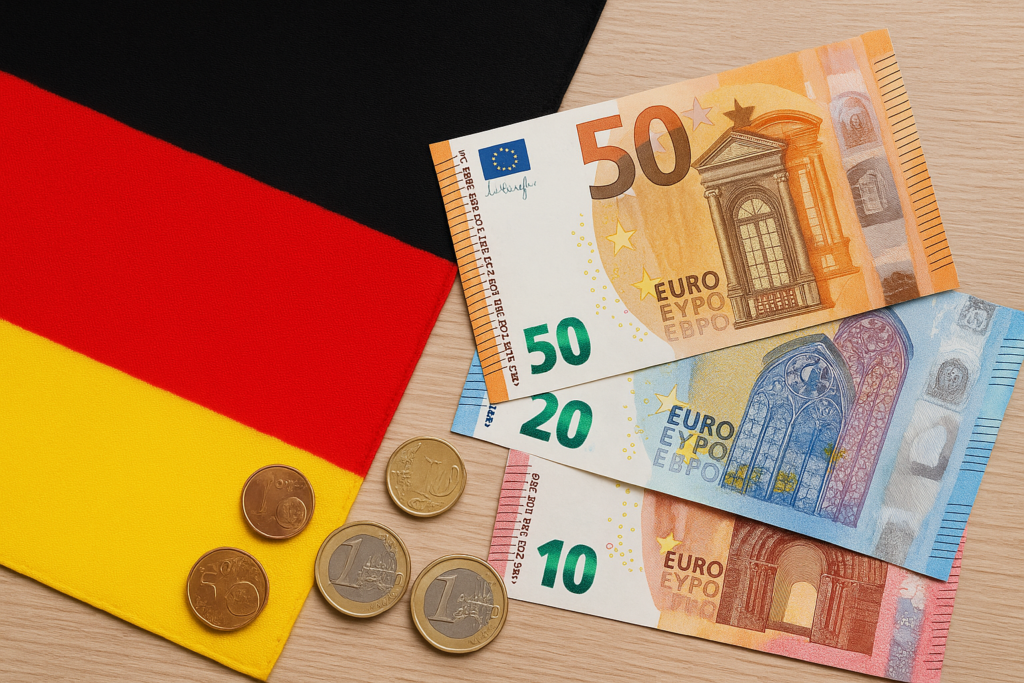
Banknotes in circulation are €5, €10, €20, €50, €100, €200 and €500. The €200 and €500 notes exist but are seldom used in daily life. Coins are €2 and €1, plus 50, 20, 10, 5, 2 and 1 cent. Germany still uses 1 cent and 2 cent coins, so you can expect amounts such as €2.99 to be paid precisely without rounding.
Germany joined the euro area as a founding participant when the euro launched as book money on 1 January 1999. Physical notes and coins arrived on 1 January 2002, replacing the Deutsche Mark. If you are curious about the transition, the official conversion rate was fixed at €1 equals 1.95583 Deutsche Mark. The Deutsche Bundesbank will still exchange marks for euros with no time limit, which is a useful bit of trivia if you find old cash in a drawer.
How paying works in Germany today
Card acceptance and local habits
In my own trips across Germany from Cologne to Dresden, I pay by card most of the time. Supermarkets, chain bakeries, hotel desks, museums and transport ticket machines usually accept Visa and Mastercard. Contactless works almost everywhere and phones with Apple Pay or Google Pay are widely accepted. That said, Germany has a long standing preference for bank cards linked to current accounts and for cash in certain settings. You can still run into a small family restaurant or a farmers market stall that prefers cash. Carry a small cash reserve so you are never stuck when a card terminal is offline or a place posts a cash only sign.
When coins and small notes matter
Keep a few coins for locker deposits in museums and pools, for public toilets at train stations and rest areas, and for bottle deposits which locals call Pfand. When you buy a drink in a reusable bottle you pay a deposit that you get back when you return the empty to a machine or counter. Tips for quick service are often given in cash and handed directly to the server. Round up to a convenient amount or add five to ten percent at sit down places and say danke when you pass the cash across.
ATMs in Germany: how to withdraw smartly
ATMs are called Geldautomat. You will find them in bank branches, shopping streets, station halls and airports. For the best deal, use an ATM attached to a major bank rather than a stand alone machine in a tourist zone. If the screen offers to charge your home currency rather than euros, decline that offer and choose to be charged in euros. That avoids dynamic currency conversion which often adds a poor exchange rate. Your own bank may charge a foreign withdrawal fee and an out of network fee, so check this before you travel. A four or six digit PIN is fine. If a machine fails to dispense cash, cancel and try another rather than repeating the same transaction.
Exchanging money and getting a fair rate
Know the mid market rate
The mid market rate is the real exchange rate you see on finance sites, the midpoint between buy and sell prices in global markets. Aim to get as close to this rate as possible. Kiosks in airports and big stations usually build a wide margin into the rate or charge a commission. Banks may serve customers only or set inconvenient hours for cash exchange and the rate may not be attractive.
Practical ways to save on exchange
Withdraw euros from a bank owned ATM after you arrive. If your bank refunds foreign ATM fees, even better. Use a card that does not add a foreign transaction fee. Always choose to pay in euros at the card terminal instead of your home currency. Avoid switching cash more than once and avoid exchanging money you do not need. If you want to optimise your travel budget further, you can explore ideas on trimming costs without feeling deprived in this guide from our site: saving money tips.
Prices, budgeting and local etiquette
Typical costs you can expect
Prices vary by city and region, with Munich and Frankfurt generally higher than Leipzig or Bremen. A coffee might be €3 to €4, a bakery breakfast €5 to €8, a mid range restaurant main dish €12 to €22, and a city transport day ticket €8 to €12. Museums often range from €8 to €16. Street food like a bratwurst or a döner can be a good value lunch. Street markets and Christmas markets can feel cash heavy, so bring small notes and coins for quick service.
Tipping norms made easy
There is no fixed service charge in most places. For casual snacks simply round up to a convenient figure. In sit down restaurants a five to ten percent tip is appreciated when service is good. Say the total you wish to pay when the card reader is presented or hand cash to the server and state how much you want back. Tipping hotel staff and taxi drivers is also welcome within the same range and is usually done in cash.
Shopping hours and cash friendly spots
Sunday trading is limited in most of Germany. You will find bakeries and service stations open, but many shops are closed. Markets, smaller food stalls and some smaller museums or historic sites may remain cash friendly even as big chains move to contactless. Carry a little cash during festivals and local fairs where temporary vendors may not have a reliable card connection.
Understanding euro banknotes and coins
What the notes look and feel like
Euro notes share a common design theme with windows and gateways on the front and bridges on the back. Each value has a distinctive colour and size. Modern notes include a portrait of Europa, a see through number, micro printing and tactile raised lines near the edge to help identification by touch. The first series included a €500 note which is no longer issued, but both first and second series remain legal tender and can be used or exchanged at national central banks.
Coins and designs you will see
All euro coins have a common side that shows the value and a map of Europe, and a national side chosen by the issuing country. You can spend any euro coin in any euro area country. In Germany you will still receive 1 cent and 2 cent coins in change. Many machines accept low value coins, and prices ending in 0.99 are common, so the smallest coins remain useful in everyday transactions.
Can you still exchange German marks
If you discover old Deutsche Mark notes or coins, the Deutsche Bundesbank will exchange them to euros without a deadline. The fixed rate from the changeover remains in force at €1 equals 1.95583 DEM. You can visit a Bundesbank branch or mail in certain items after checking current procedures on the Bundesbank website. Bring identification and expect processing to take some time if mailed.
Banking and transfers inside Germany
SEPA transfers and IBANs
Within the European Union, euro transfers use the SEPA scheme and the IBAN account format. Domestic euro transfers and cross border euro transfers inside the EU are treated like domestic payments for fees and timing. If you are renting an apartment long term or paying a security deposit, a SEPA transfer is the normal method. For a short visit you rarely need to make a bank transfer, but it helps to know that standards exist and costs are regulated.
Debit versus credit and daily limits
German residents often use bank linked debit cards for daily spending. International visitors rely on Visa or Mastercard credit and debit cards. Check your daily withdrawal and spending limits before you travel and adjust them if needed. Some unattended machines at fuel stations and parking garages may strongly prefer chip and PIN cards. If a terminal asks for a signature after a chip read, that is also normal in some places.
Business travel and VAT basics
Germany’s standard value added tax rate is 19 percent, with a reduced rate of 7 percent for many food items, books and cultural goods. Receipts show the VAT component. Non EU visitors can use tax free shopping schemes at participating stores for goods you export unused. You need to present forms and goods when leaving the EU for validation. For company expenses, ask for an itemised invoice with the business name and VAT number when required for compliance.
Travelers arriving from non euro countries
From the United Kingdom, United States and beyond
Do not bring large amounts of home currency to exchange in person. Use your bank card at an ATM once you land and pay by card for most purchases. If a terminal asks whether you want to pay in pounds or dollars, always choose euros to avoid an extra conversion with weak rates. Keep a backup card in a different wallet compartment. Tell your bank that you will travel so transactions are approved without delay.
Common mistakes to avoid
- Exchanging cash at airport counters where the rate is often poor
- Accepting card charges in your home currency instead of euros
- Relying on a single card and carrying no cash at all
- Using non bank ATMs with high fees in tourist areas
- Forgetting that some small venues still prefer cash
Quick facts for fast reference
- Currency: euro
- Code: EUR
- Symbol: €
- Subunit: 100 cents
- Common banknotes: €5, €10, €20, €50, €100
- Common coins: €2, €1, 50c, 20c, 10c, 5c, 2c, 1c
- Former currency: Deutsche Mark, fixed at €1 equals 1.95583 DEM
Expert tip: make your money go further
For longer trips I plan a simple daily budget and review card terms to avoid foreign fees. I also set a weekly alert to check the euro rate so I know what a fair price feels like. If you want broader ideas for living well on a budget, browse our overview here: budget living guide. For travel rewards that can offset costs, you may also like this overview: best credit card for travel points.
Germany uses the euro and most visitors find payments easy once they know a few local habits. Pay by card where possible, keep a little cash for small vendors and tips, and decline any offers to be charged in your home currency. Use bank linked ATMs, watch the exchange rate, and enjoy your trip without money surprises. If you want more ways to keep your budget on track while you travel, explore our latest tips on the blog.
What currency does Germany use and what are the basics I should know
Germany uses the euro with the code EUR and the symbol €. One euro equals 100 cents. Common notes are €5 to €100 and common coins range from 1 cent to €2. Prices are shown with the € sign. Choose to pay in euros on card machines to avoid weak conversion rates.
Can I rely on cards or do I still need cash in Germany
You can rely on cards in most supermarkets, hotels, museums and train stations. Contactless and mobile wallets work widely. Still carry some euros for small family run places, markets, lockers and tips. I bring €20 to €50 in small notes and coins so I am covered if a terminal is offline.
What was Germany’s currency before the euro and can I still exchange it
Before the euro, Germany used the Deutsche Mark. The official fixed rate is €1 equals 1.95583 DEM. The Deutsche Bundesbank will exchange mark notes and coins for euros without a deadline. You can visit a Bundesbank branch or mail certain items after checking current procedures.
Are 1 cent and 2 cent coins used in Germany
Yes. Germany still issues and uses 1 cent and 2 cent coins. You will receive them in change and you can use them in shops and machines. Since prices often end in 0.99, keeping a small stash of low value coins makes life easier at bakeries, kiosks and ticket machines.
Should I exchange money before traveling or withdraw cash in Germany
Most travelers get a better deal by withdrawing euros from a bank ATM after arrival rather than exchanging cash at home or at an airport desk. Use a card with low foreign fees, decline any offer to be charged in your home currency and withdraw only what you need to avoid carrying excess cash.