Planning a getaway to Rome, Florence or the Amalfi Coast and wondering what is the currency in Italy? The answer is simple, yet there are smart ways to make every euro go further. In this friendly guide I will explain the euro used in Italy, the notes and coins you will actually handle, how to pay by card or cash, where to get euros at a fair rate and a quick look at the old Italian lira. By the end, you will feel confident about spending smoothly on your trip.
The short answer: Italy uses the euro
The official currency of Italy is the euro, written as the symbol € and the code EUR. Euro banknotes and coins entered circulation in Italy on 1 January 2002 after a short transition, and they replaced the Italian lira. Italy has been part of the euro area since 1999 for non cash transactions, so moving between Italy and other euro countries feels seamless. Neighboring microstates such as San Marino and Vatican City also use the euro.
Denominations you will see
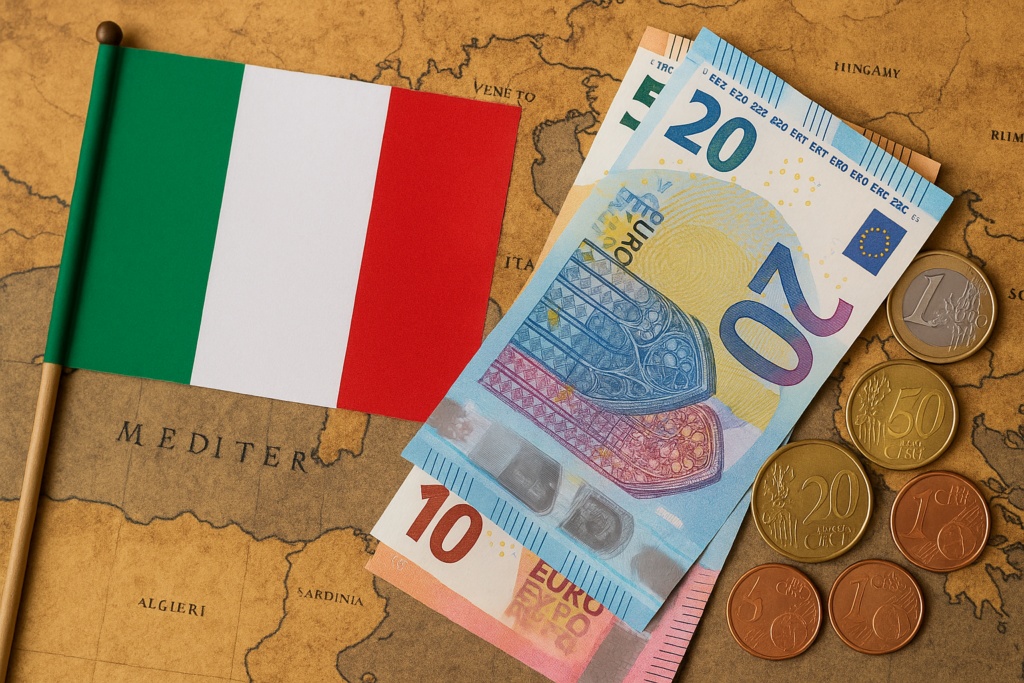
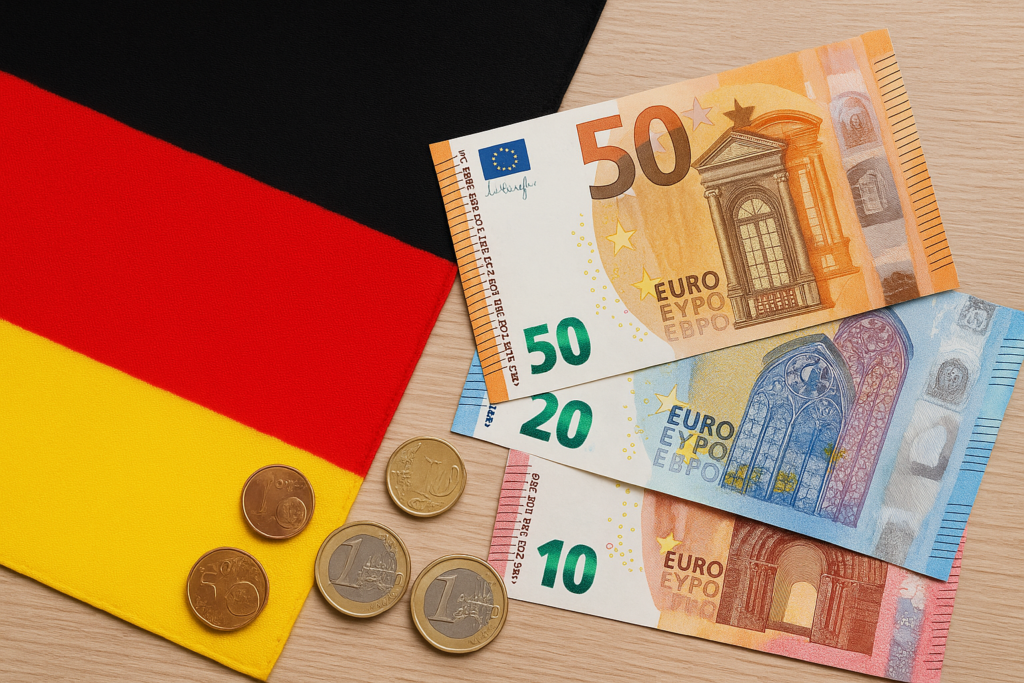
Day to day you will encounter banknotes of €5, €10, €20, €50 and €100, with €200 seen occasionally and €500 rarely used by travelers. Coins come in 1, 2, 5, 10, 20 and 50 cents, plus €1 and €2. Notes show bridges and gateways that represent European openness, while Italian coins carry national designs such as the Colosseum or Dante. In many shops small cash totals may be rounded to the nearest five cents, yet card payments are charged to the exact cent.
Paying in Italy: cards, cash and mobile wallets
Cards are widely accepted
In cities and most towns, Visa and Mastercard are common in hotels, restaurants, museums and larger taxis, and contactless works well. Apple Pay and Google Pay are increasingly accepted. I have rarely had card issues in Milan or Florence, though a small neighborhood trattoria once asked for cash because their terminal was down, which is a useful reminder to carry a little backup.
Why carrying some cash still helps
Markets, rural cafes, small family run stays and some parking meters prefer cash. A starter amount of about €100 to €150 in small notes and coins keeps things easy for coffee, gelato, bus tickets and tips. Keep a few €1 and €2 coins for vending machines and public transport. You may see a coperto or pane charge on restaurant bills, which is a standard cover charge that is not a tip.
Getting euros at a fair rate
ATMs in Italy are called Bancomat and are easy to find in cities. Withdraw in euros and decline any offer to convert to your home currency at the machine or payment terminal. This prompt is called dynamic currency conversion and it usually gives a poor rate. Your own bank’s fees and daily limits apply, and some Bancomat networks set per withdrawal caps that are often around a few hundred euros.
If you prefer to arrive with cash, compare rates before you travel and avoid last minute exchanges at airports or hotel desks where rates are often weaker. You can also consider a low fee debit or a prepaid travel card from a reputable provider. For more on practical options, see where to exchange foreign currency. If you are optimizing travel rewards, our guide to the best credit card for travel points can help you choose a card that reduces fees abroad.
Can you pay with dollars or pounds
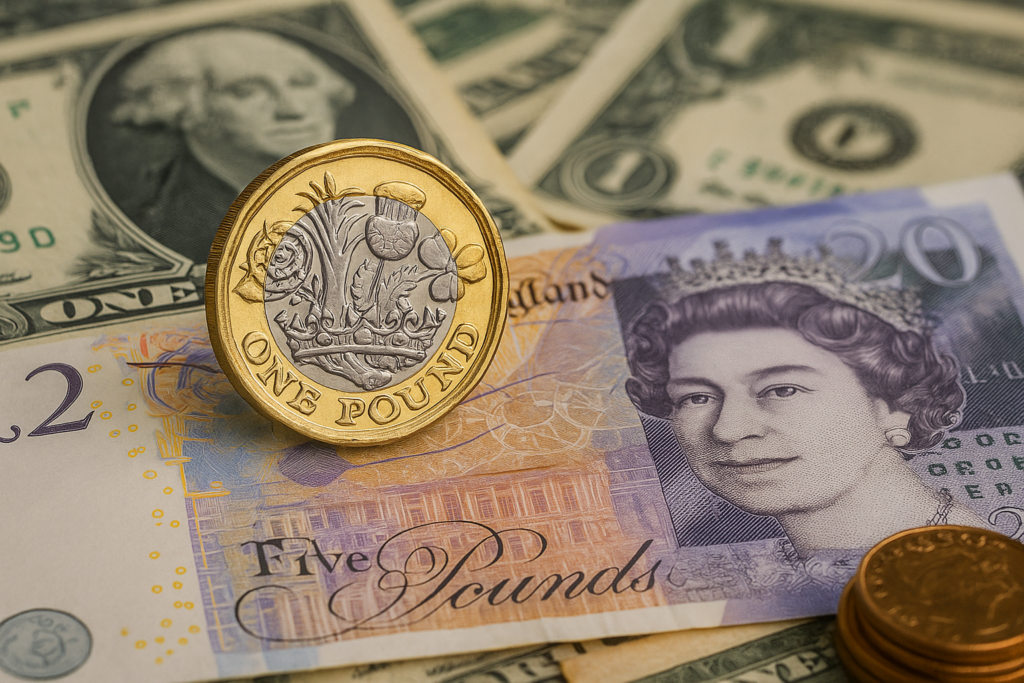
Outside of a few tourist heavy spots that may accept them at a poor rate, foreign currencies such as US dollars or British pounds are not taken in Italy. Exchange for euros before you go or withdraw euros from a Bancomat on arrival. If you are visiting other countries on the same trip, compare their currencies too. For example, Spain also uses the euro, which makes multi country journeys simpler. See our overview of what currency Spain uses.
A quick look back: the Italian lira
Before the euro, Italy used the lira. The fixed conversion when the euro arrived was €1 equals 1,936.27 lira. Euro notes and coins began circulating in 2002, and the dual circulation period ended on 28 February 2002. The Banca d’Italia exchanged lira notes and coins until 29 February 2012. Older Italians still remember lira prices, yet for travelers today the euro is the only currency you need.
Practical tips to spend smarter
Choose to be charged in euros on terminals and ATMs to avoid expensive conversions. Keep a mix of small notes for markets and tips. Check your card’s foreign transaction fees and consider one that waives them. Carry a copy of your identification since some shops may ask to verify higher value card payments. When using an ATM, use machines attached to banks during business hours if possible and decline any popup exchange offers. On my last trip to Rome, following these simple habits kept fees low and every payment hassle free.
So, what is the currency in Italy? It is the euro, and using it well is straightforward once you know the basics. Carry a little cash for small purchases, rely on cards and mobile wallets for most payments, withdraw from Bancomat machines in euros and steer clear of conversion prompts. With these tips, you can focus on the espresso, the art and the coastlines, not on your wallet.
What is the currency in Italy and what is its symbol and code
The currency in Italy is the euro, written as € and coded as EUR. You will see prices marked with the euro symbol in shops, on menus and at transport kiosks. Banknotes and coins have been in use since 2002, and the euro is shared with many other European countries, which simplifies multi country trips.
Can I use US dollars or British pounds in Italy
No. While a few tourist shops might accept foreign cash at a poor rate, the official and practical way to pay is in euros. Exchange money before you go or withdraw euros from a Bancomat on arrival. Always choose to be charged in euros at payment terminals to avoid costly conversion fees.
What denominations of the euro will I handle in Italy
Common banknotes are €5, €10, €20, €50 and €100. You may also encounter €200, while €500 is rarely used by travelers. Coins are 1, 2, 5, 10, 20 and 50 cents plus €1 and €2. Many small purchases are still made with coins, so keep a few handy for transport tickets and vending machines.
Do I need cash if cards are widely accepted in Italy
Cards work well in cities and tourist areas, and mobile wallets are common. It is still wise to carry some cash for markets, rural cafes, small bakeries and when terminals are offline. A starter amount of €100 to €150 in small notes and coins will cover most incidental expenses without relying on a card.
How can I get the best rate when accessing euros in Italy
Use bank attached ATMs, withdraw in euros and decline any offer to convert to your home currency. Check your card fees before travel and consider a low fee or travel focused card. Avoid airport kiosks where rates are often weaker, and compare rates at home if you plan to buy a small amount of cash in advance.