Planning a trip to Spain and wondering how to pay for tapas, museum tickets, and train rides? You are not alone. Many travelers ask what currency Spain uses and how everyday payments work on the ground. In this friendly guide I will explain the official currency, how to use cards and ATMs, where to exchange money, and a few etiquette tips that help you feel confident from day one. By the end you will know exactly what to carry, what to avoid, and how to keep fees low while you explore Spain with ease.
The official currency of Spain
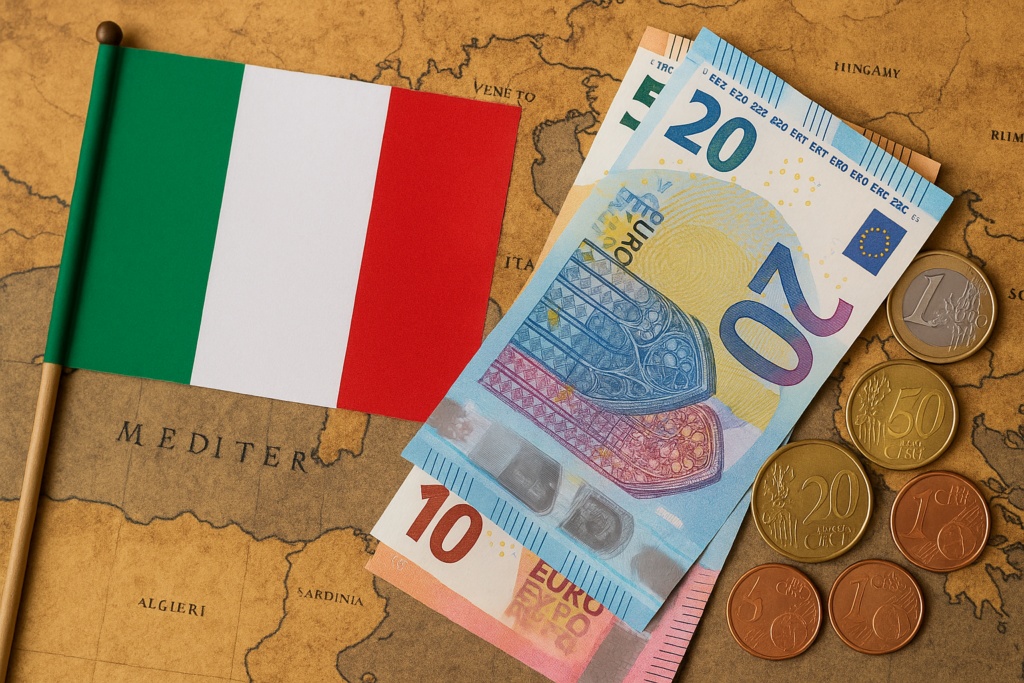
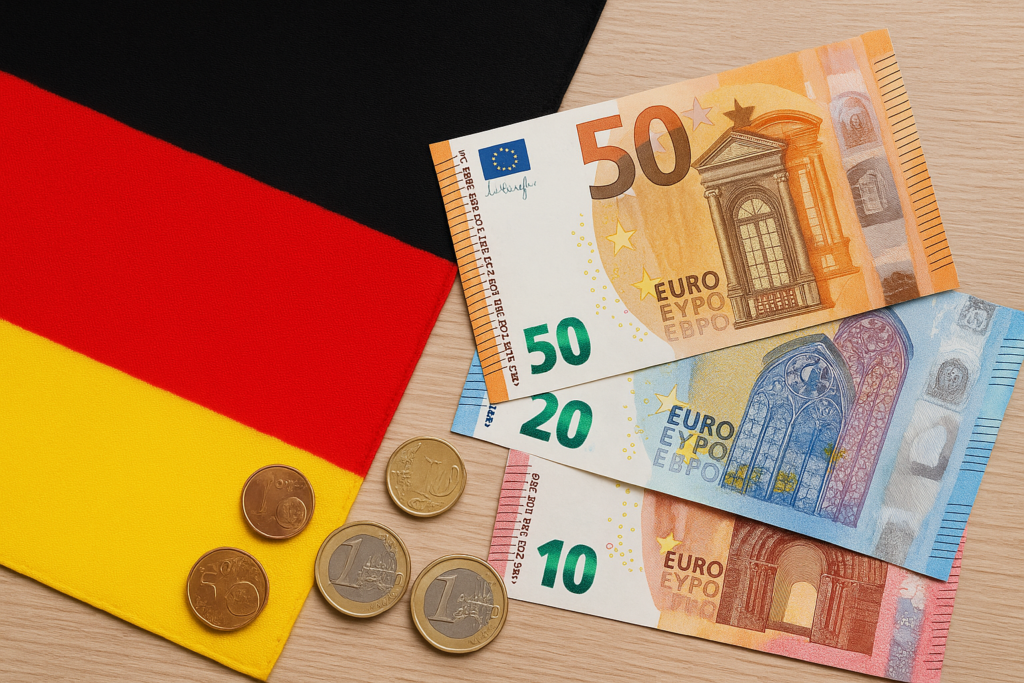
Spain uses the euro as its official currency. You will see the symbol € on price tags and the currency code EUR on receipts and bank statements. Notes come in 5, 10, 20, 50, 100, 200 and 500 euro. The 200 and 500 euro notes exist but are rarely used in shops. Coins are 1, 2, 5, 10, 20 and 50 cents, plus 1 and 2 euro.
Spain adopted the euro in 2002 as part of the euro area. Before that the currency was the peseta. You may still hear older locals refer to prices in pesetas for fun, but euros are used everywhere from Madrid to Barcelona and the islands.
Paying in Spain
Cards are widely accepted in cities, at supermarkets, museums and most restaurants. Visa and Mastercard work almost everywhere. Apple Pay and Google Pay are common in larger towns. Very small purchases may require cash, sometimes around ten euros or less, especially at kiosks or family run cafes.
From experience, I paid contactless for nearly everything on recent trips to Barcelona and Seville. Only a corner bakery asked for cash for a small coffee. Keeping a few coins and a twenty euro note in your wallet solves these moments without stress.
ATMs and fees
ATMs are easy to find in cities and tourist areas. When an ATM or card terminal offers to charge you in your home currency, choose to be charged in euros. This avoids poor conversion rates. Prefer bank operated ATMs, use a debit card to avoid cash advance charges, and decline optional conversion screens. Your own bank and the local ATM may charge fees, so plan larger, less frequent withdrawals.
Exchanging money
Skip airport desks and hotel counters since rates are often weaker. If you need cash, use an ATM or a reputable exchange office in town. Compare total costs, ask for the final amount you will receive in euros, and bring your passport as some offices require identification.
Tipping and everyday etiquette
Tipping is not mandatory because service is included. Rounding up or leaving five to ten percent is appreciated for good service in restaurants. For taxis, rounding up to the next euro is normal. Haggling over posted prices is not common in regular shops.
Practical money tips
- Carry a small float of coins for cafes, public restrooms and small shops.
- Use a travel friendly card that earns rewards and has low foreign fees. Research options like the best credit card for travel points.
- Mind your budget by setting a daily allowance. These saving money tips can help you stay on track.
Conclusion
If you were asking what currency does Spain use, the answer is simple. Spain uses the euro, shown as € and EUR. Bring a mix of card and a little cash, choose to pay in euros on terminals, and avoid costly exchanges at airports. With a few smart habits you will spend less on fees and more on unforgettable meals, museums and coastal sunsets across Spain.
What currency does Spain use and what are the basics I should know?
Spain uses the euro, written as € and coded EUR. Notes are 5 to 500 euro, though the 200 and 500 notes are uncommon in shops. Coins cover 1 and 2 euro plus 1 to 50 cents. Cards are widely accepted and cash is still handy for very small purchases.
Do Madrid and Barcelona use the same currency as the rest of Spain?
Yes. Madrid, Barcelona, Seville, Valencia and the islands all use the euro. You can pay by card in most places and contactless works well. A few small businesses may ask for cash for tiny purchases, so carry some coins and a small note for convenience.
What was Spain’s currency before the euro and can I still use it?
Before the euro, Spain used the peseta. It is no longer legal tender. The fixed conversion rate was 1 euro equals 166.386 pesetas. You may see old notes as souvenirs or in collector shops, but everyday payments in Spain must be made in euros.
Is it better to pay in euros or in my home currency at shops and ATMs?
Choose euros. When a terminal or ATM offers to convert to your home currency, it often adds a poor rate. Select to be charged in euros to avoid this. Use a travel friendly debit or credit card with low foreign fees to keep costs predictable and low.
Are ATMs easy to find in Spain and what fees should I expect?
ATMs are common in cities and tourist areas. Your bank may charge an international fee and a local ATM may add a surcharge. Use bank operated machines, make fewer larger withdrawals, and decline optional conversion. A debit card is usually cheaper than a credit card for cash.